Ever since I was a kid, I always liked the Samurai swords, I was fascinated by the perfection of the blade…
However, besides the blade there are a lot more elements that make the Japanese Samurai sword a real work of art, like the scabbard saya, the hilt tsuka or the guard tsuba…
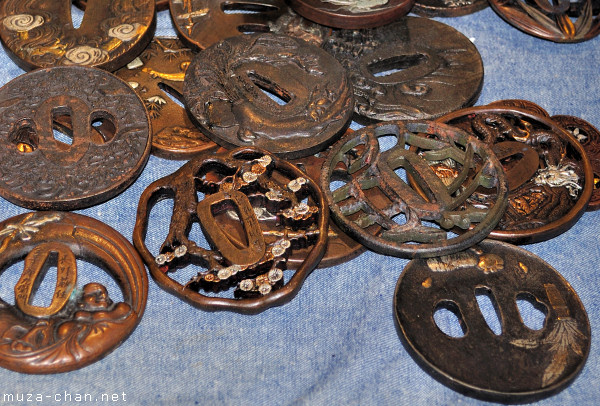
Originally, tsuba was just for practical reasons, to control the swords balance by bringing the gravity center closer to the hand, to protect the hand and to prevent hand slipping.
At the beginning, the Samurai sword guard was made of leather placed on a frame made of wood or iron.
Later, during the Muromachi period, tsuba started to become a product by itself, manufactured by a separate industry, made from various metallic alloys.
The main roles of the tsuba remained the same, but a new decorative purpose started to appear…
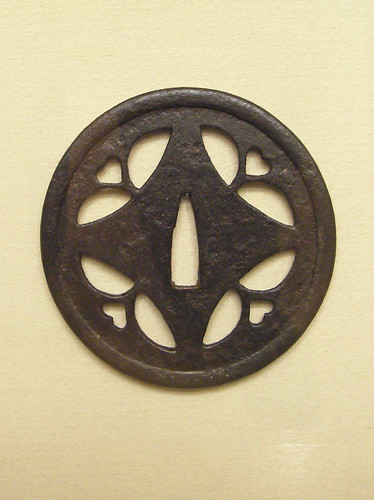
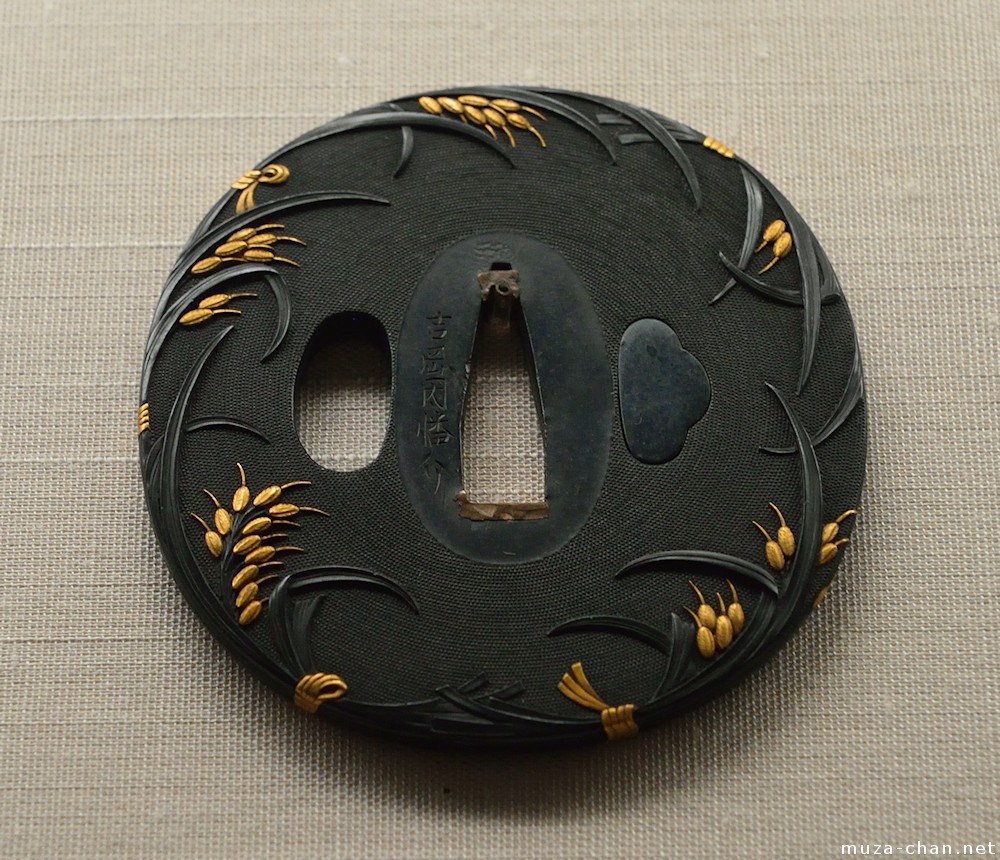
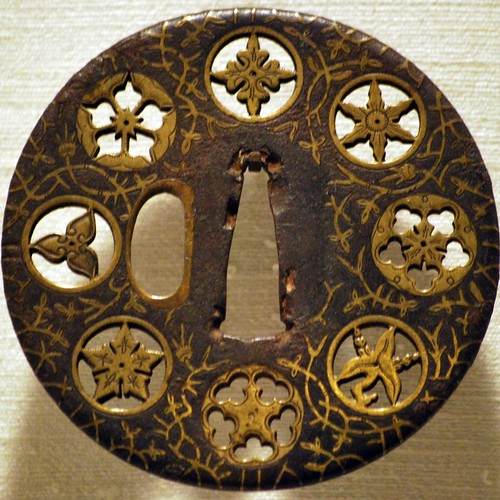
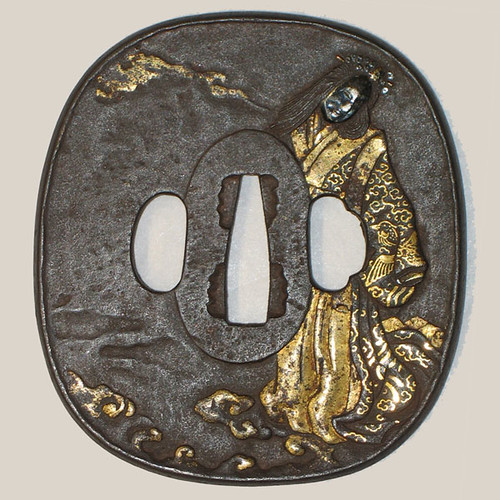
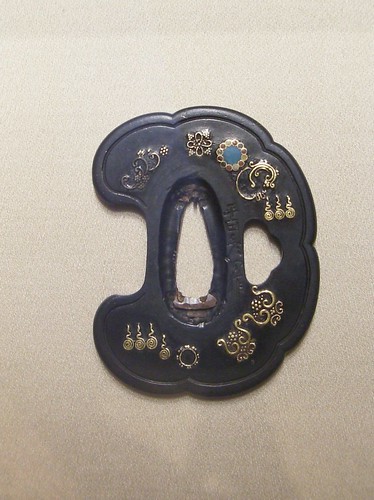
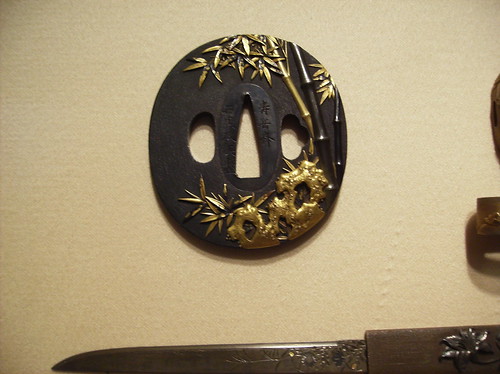
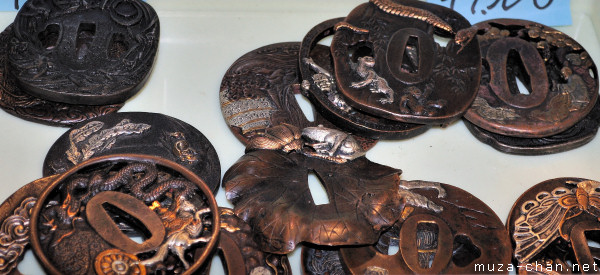
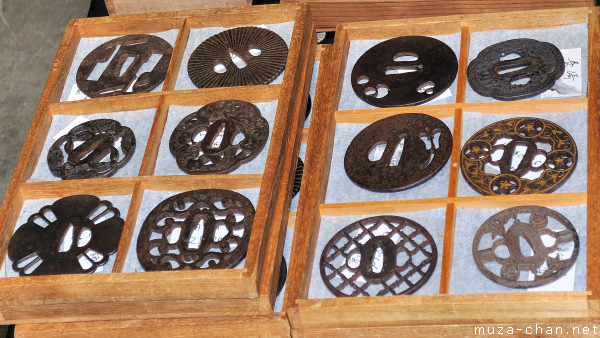
There is a great variety of tsuba decorations, from heraldic family symbols (mon) and Buddhist prayers (e.g. Namu Hachiman dai bosatsu - Hail to the Great Bodhisattva Hachiman), to images of plants, animals, mythological creatures, and even depictions of historical scenes and complex landscapes.
To illustrate the wide variety and the specific beauty of the tsuba, I made a selection of 30 Creative Commons photos from Flickr, all representing tsuba:
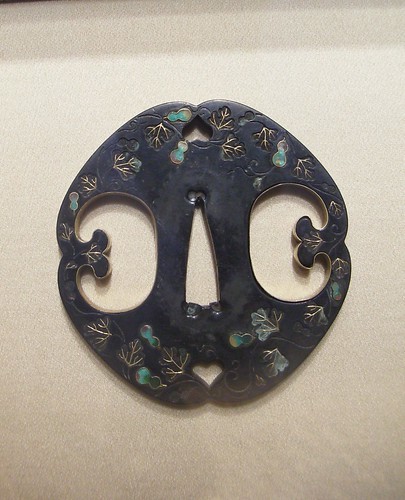
Tsuba with Gourds and Leaves:
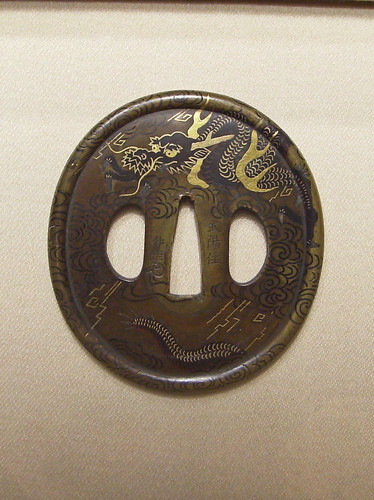
Tsuba with a Raindragon (Amaryu):
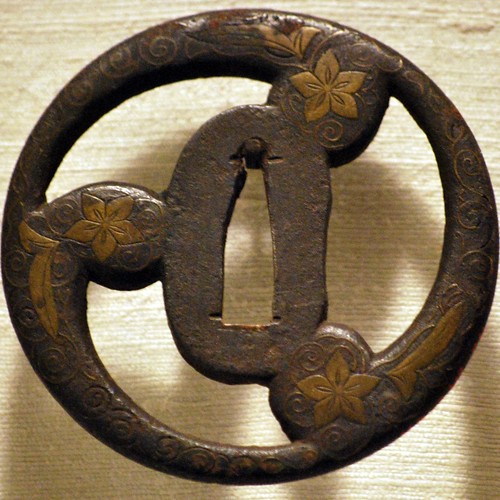
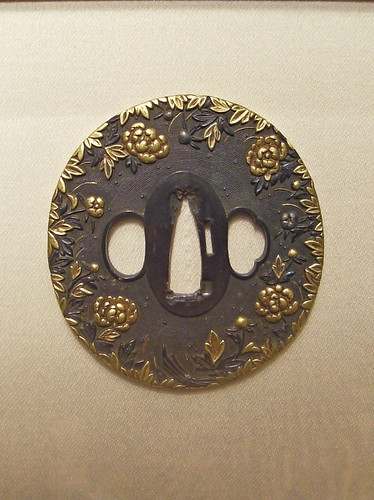
Tsuba with floral design:
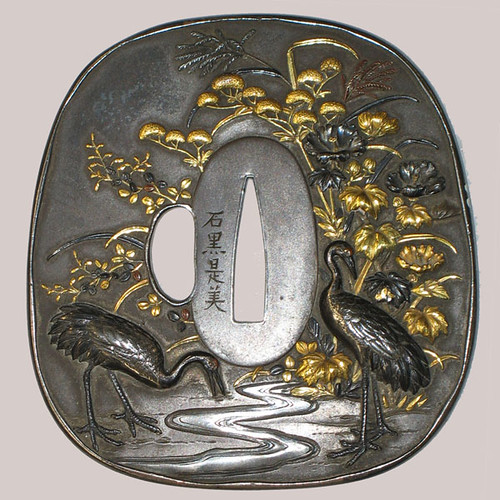
Tsuba with Crane, symbol of longevity and immortality:
Tsuba with floral design:
Tsuba with stylized butterflies:
Click on photo for higher resolution:
Tsuba with Mount Fuji:
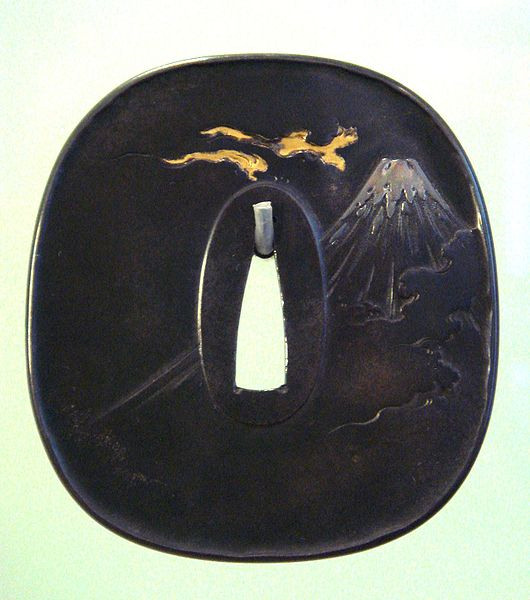 Katana Sword Guard - Tsuba
image via Wikipedia…and many more…
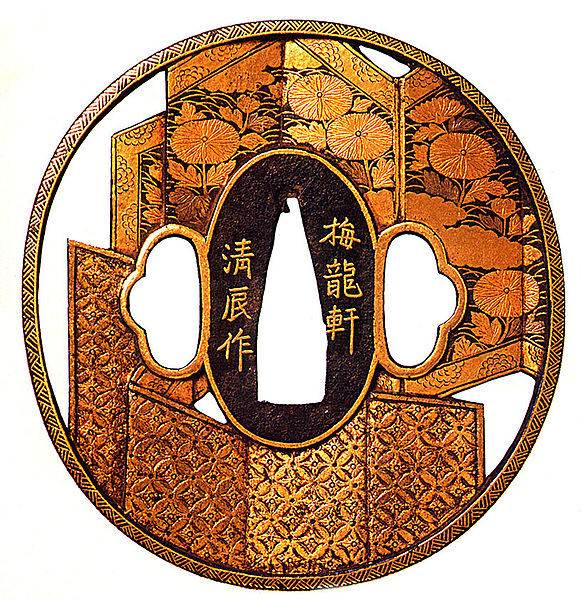 Katana Sword Guard - Tsuba
image via Wikipedia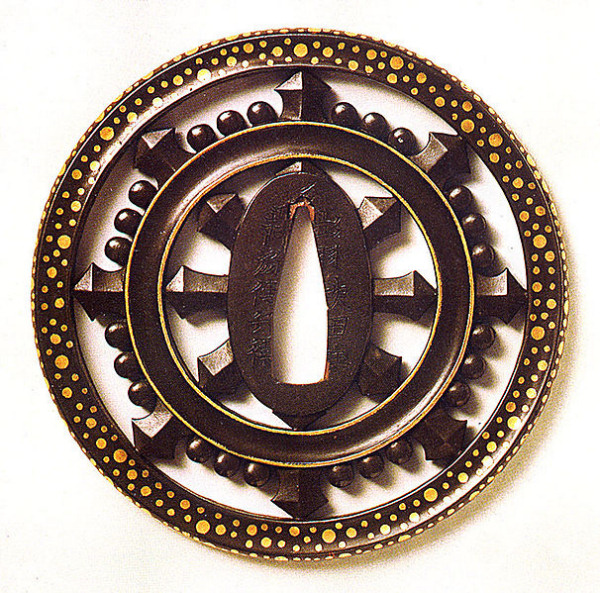 Katana Sword Guard - Tsuba
image via Wikipedia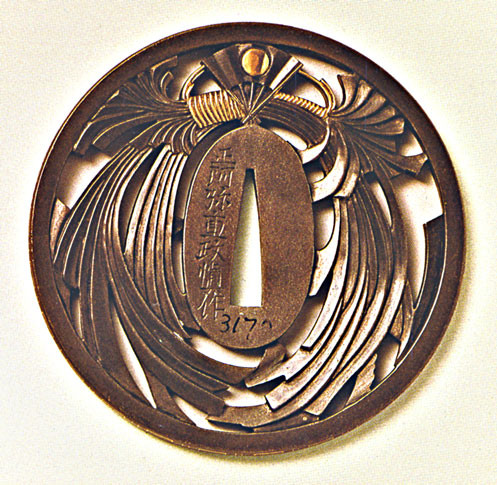 Katana Sword Guard - Tsuba
image via Wikipedia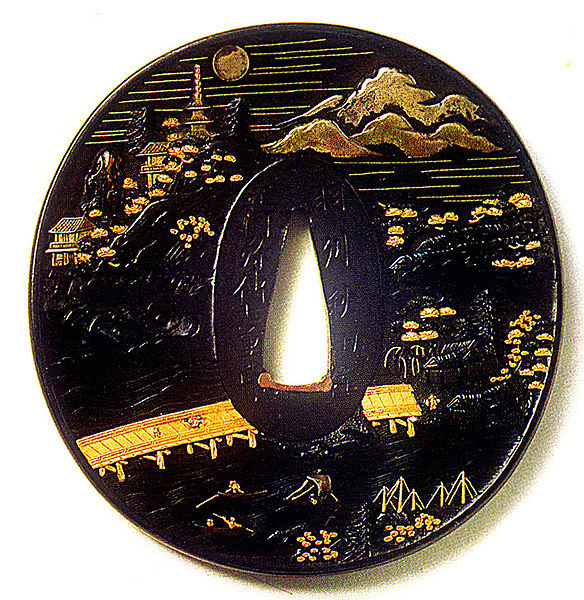 Katana Sword Guard - Tsuba
image via Wikipedia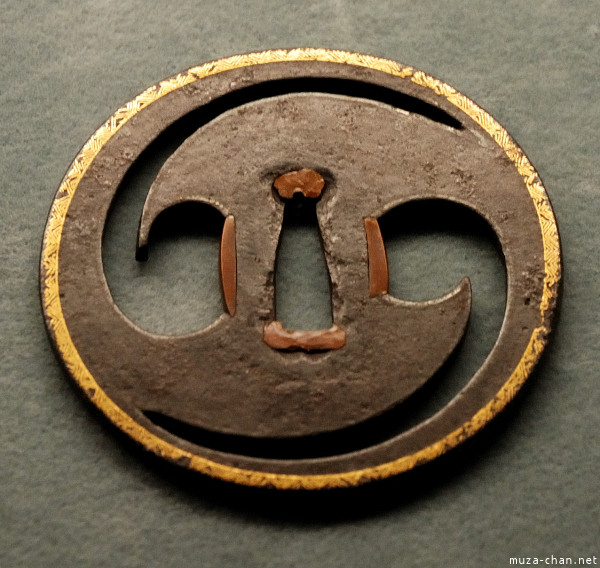 Samurai sword guard (Tsuba) with “two comma” (futatsudomoe) design - Tokyo National Museum
De mic copil mi-au plăcut săbiile japoneze, m-a fascinat perfecţiunea tăişului şi curbura fină a lamei.
Însă pe lângă lamă, mai există şi alte elemente care fac ca sabia japoneză să fie o adevărată operă de artă, cum ar fi teaca saya, mânerul tsuka sau garda (tsuba)…
Iniţial tsuba avea doar un rol practic, acela de a controla arma, echilibra balansul şi de a preveni alunecarea mâinii spre lamă. Era realizată din piele pe o ramă metalică sau din lemn.
În perioada Muromachi tsuba au început să fie produse de alţi meşteri faţă de cei care realizau lama, din diverse aliaje metalice. Rolul ei a rămas acelaşi, însă a început să aibă şi un rol decorativ.
Există o mare diversitate de decoraţii pentru tsuba, de la simbolul heraldic al familiei (mon), rugăciuni (de exemplu: Namu Hachiman dai bosatsu - Hail to the Great Bodhisattva Hachiman), plante, animale, creaturi mitologice, până la scene istorice sau peisaje complicate.
Pentru a ilustra varietatea de desene şi frumuseţea specifică, am selectat de pe Flickr 30 de fotografii Creative Commons reprezentând tsuba:
Tsuba decorată cu frunze şi tigve:
Tsuba decorată cu Dragon al Ploii (Amaryu):
Tsuba cu design floral:
Tsuba cu cocor, simbol al longevităţii şi imortalităţii:
Tsuba cu design floral:
Tsuba cu fluturi stilizaţi:
Tsuba cu Muntele Fuji:
Katana Sword Guard - Tsuba
image via Wikipedia
… şi multe altele:
Click on photo for higher resolution:
Katana Sword Guard - Tsuba
image via Wikipedia
Katana Sword Guard - Tsuba
image via Wikipedia
Katana Sword Guard - Tsuba
image via Wikipedia
Katana Sword Guard - Tsuba
image via Wikipedia
Samurai sword guard (Tsuba) with “two comma” (futatsudomoe) design - Tokyo National Museum